
Leather, nylon or canvas: which tool belt material to buy

Leather, nylon or canvas: which tool belt material to buy
The material question gets answered badly more often than any other in carry gear, usually because people compare a premium example of one material against a budget example of another. Here is what each is actually for.
Leather
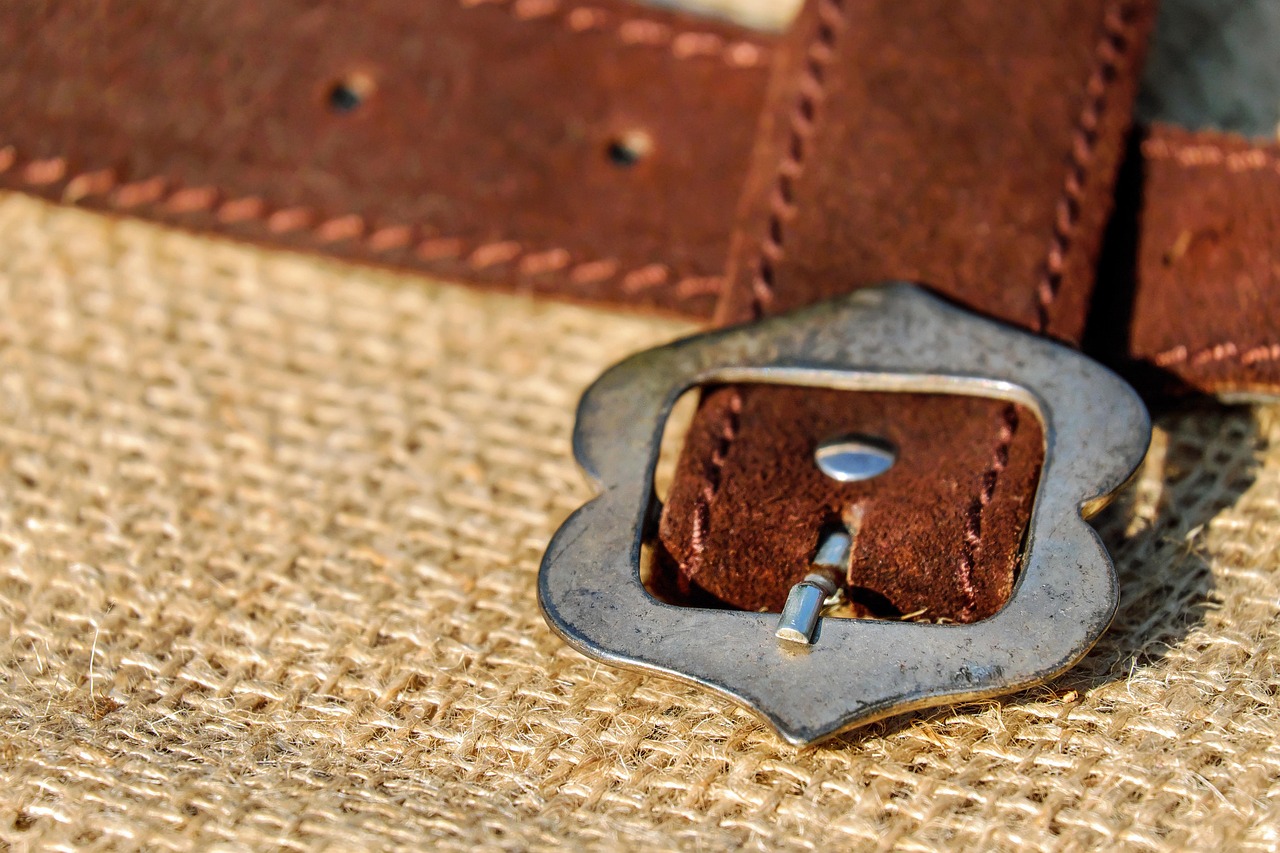
Oil-tanned leather is the traditional choice and still the best one for a belt that is worn daily for years. It starts stiff, moulds to your body over a few weeks, and then holds that shape. A leather pouch stands open on its own, which sounds trivial until you have tried to put a chisel back into a nylon pouch one-handed.
Strengths: abrasion resistance, shape retention, longevity measured in decades rather than seasons, and it does not melt or fray when it meets a hot blade.
Costs: weight — a full leather rig is noticeably heavier empty than a nylon one — a break-in period, and a maintenance requirement. Leather that is never conditioned in coastal air will dry and crack.
Buy it if: you wear the belt most days, you carry heavy hand tools, and you intend to own it for a long time.
Nylon and polyester
Usually described by denier — 600D is light duty, 1680D is what you want on a work belt. Modern high-denier nylon is genuinely tough, and it is the material of choice for rigs with a lot of pockets, because it can be sewn into shapes leather cannot.
Strengths: light, cheap, dries fast, takes dye so it can be colour-coded, and supports elaborate pocket layouts and detachable pouch systems.
Costs: abrasion wears through eventually, pouches collapse when empty, and cheap nylon frays at the stitch lines. A sharp tool will cut it in a way it will not cut leather.
Buy it if: you want a lot of organised pockets, you value light weight, or the belt is for occasional rather than daily use.
Canvas and duck cotton
Heavy waxed canvas sits between the two. It is softer than leather, tougher than light nylon, and it ages well.
Strengths: comfortable from the first day, quiet, holds a shape better than nylon, and repairs easily with a patch.
Costs: absorbs water unless waxed, and stains permanently.
Buy it if: you want something light and comfortable and are not carrying heavy steel all day. Canvas aprons in particular are excellent.
The hardware is a separate decision
Whatever the body material, the failure point is usually metal or thread:
- Rivets at stress points. Copper or steel rivets where a pouch meets the belt will outlast stitching alone.
- Roller buckles are easier to fasten one-handed than a plain tongue buckle and put less wear on the strap.
- Double or triple stitching at pouch corners. Look inside a pouch at the seam; if you can see a single row of thread, it is the first thing to go.
- Steel hammer loops. A leather loop wears through; a steel one does not.
Weight, before you load it
Pick each belt up empty. A leather rig with pouches can be four to six pounds before a single tool goes in. Nylon might be two. Over eight hours, on a belt that is already carrying twelve pounds of tools, that difference is real.
The right answer depends on whether you are hanging tools on it all day or putting it on for an hour at a weekend.
Ocean Beach, specifically
Salt air is hard on hardware and on leather. Within a couple of blocks of the water, unfinished steel rivets will show rust in months and untreated leather will dry faster than it does inland. That pushes the local recommendation towards oil-tanned leather that is actually conditioned, or towards nylon with coated hardware.
Nobody sells a belt that is immune. What you can do is choose one that is easy to look after and then look after it.
What we hang on the wall
We keep oil-tanned leather rigs, a high-denier nylon organiser with detachable pouches, and canvas aprons — the three answers to the three situations above. If you tell us what trade you are in and how many hours a day the belt is on, the choice usually narrows to one.
Stitching, and where a belt actually fails
Very few belts fail in the middle of a panel. They fail where a pouch meets the belt, where a hammer loop is attached, and at the corners of a deep pocket — everywhere the load changes direction.
Look at those three points before buying. What you want to see is a bar-tack: a dense block of back-and-forth stitching, usually with a rivet through it as well. A single line of straight stitching at a stress point is the manufacturer’s own prediction of where the belt will come apart.
Thread matters too. Bonded nylon or polyester thread resists abrasion and UV; cotton thread looks traditional and rots. On a leather rig, run a fingernail along the stitch line — thread that sits proud of the leather surface will be abraded away by the job, thread recessed into a stitching groove will not.
Buckles and how quickly you can get out of it
A roller buckle is easier on the strap and easier to fasten one-handed than a plain tongue. A quick-release buckle is faster still and is worth having if you take the rig on and off repeatedly through a day.
There is a safety dimension as well: if a belt catches on something as you climb down from a ladder, being able to release it in one movement matters more than the two seconds it saves you at coffee break.
Buying second-hand
A used leather rig can be excellent value, because the break-in has been done. Check three things: the leather flexes without cracking at the pouch mouths, every rivet is tight, and the belt has not taken a permanent bend from being stored loaded. Stitching can be repaired at a cobbler for very little. Cracked leather cannot.